How Often Should You Get a Dental Cleaning in Suwanee GA? Your Complete Guide to Preventive Care
“When was your last dental cleaning?” It’s a simple question that many people struggle to answer. Life gets busy, and it’s easy to put off routine dental appointments. However, regular professional dental cleanings are one of the most important investments you can make in your oral health and overall well-being. At B-You Dentistry, your trusted dentist in Suwanee, GA, we often encounter patients wondering exactly how frequently they should schedule these essential preventive visits. The answer isn’t always the same for everyone—individual needs vary based on oral health status, risk factors, and lifestyle habits.
Understanding the recommended frequency for dental cleanings and why these appointments matter can help you maintain optimal oral health, prevent costly dental problems, and even protect your overall physical health. Professional cleanings remove plaque and tartar buildup that regular brushing and flossing miss, allowing early detection of potential issues before they become serious problems requiring extensive treatment. This comprehensive guide will help you understand cleaning frequency recommendations, factors that may require more frequent visits, the consequences of skipping cleanings, and how to maintain your oral health between professional appointments.
The Standard Recommendation: Every Six Months
The traditional advice you’ve probably heard countless times is to visit your dentist for a professional cleaning every six months, or twice per year. This guideline has been the dental standard for decades and remains appropriate for most people with good oral health.
Why Six Months Became the Standard
Historical Basis: The six-month recommendation isn’t arbitrary—it’s based on decades of dental research and clinical observation showing that:
- Plaque and tartar accumulation: Most people develop significant plaque and calculus (hardened tartar) buildup within 4-6 months, even with excellent home care
- Early problem detection: Many dental issues become detectable within this timeframe, allowing intervention before they progress
- Gum disease prevention: Regular cleanings every six months effectively prevent gingivitis from developing into periodontitis in most patients
- Cavity prevention: Professional fluoride treatments and plaque removal every six months significantly reduce cavity formation
- Cost-effectiveness: Preventive visits every six months prevent more expensive treatments later
Insurance Coverage: Most dental insurance plans cover two preventive cleanings per year, reflecting the dental profession’s consensus that this frequency provides optimal preventive care for the average person.
Who Benefits from the Six-Month Schedule
Ideal Candidates for Standard Frequency: The traditional twice-yearly cleaning schedule works well for patients who have:
- Good oral health: No active gum disease or frequent cavities
- Excellent home care: Consistent, proper brushing and flossing habits
- Low-risk factors: Non-smokers without diabetes or other conditions affecting oral health
- Healthy immune system: Body effectively fights oral bacteria
- Previous dental success: History of maintaining good oral health with biannual visits
If this describes you, continuing with professional cleanings every six months, combined with proper daily oral hygiene, should maintain your oral health effectively.
What Happens During Your Six-Month Cleaning
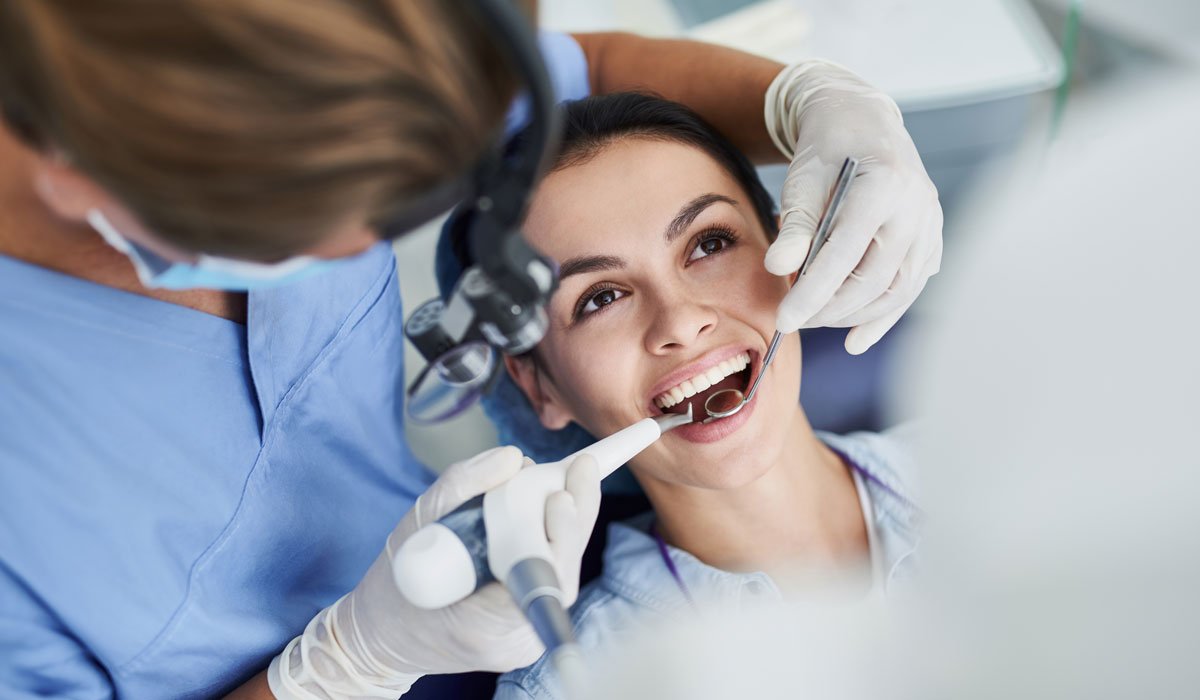
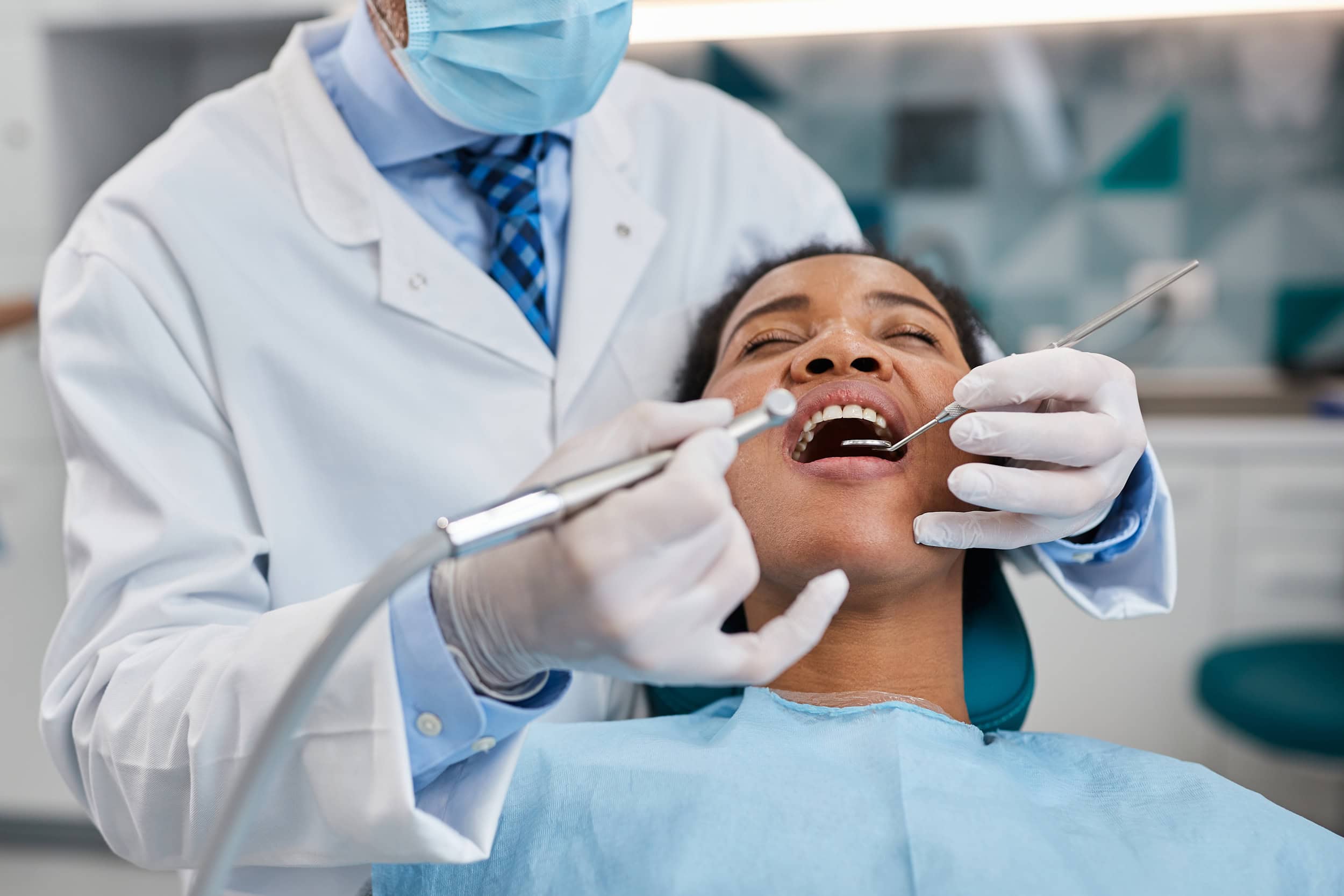
Understanding what your dentist in Suwanee, GA does during these appointments helps you appreciate their value:
Comprehensive Professional Cleaning:
- Plaque removal: Elimination of soft bacterial deposits that cause cavities and gum disease
- Tartar scaling: Removal of hardened calculus that brushing cannot eliminate
- Polishing: Smoothing tooth surfaces and removing surface stains
- Flossing: Thorough cleaning between all teeth
- Fluoride treatment: Strengthening enamel to resist decay
Examination and Screening:
- Visual inspection: Checking all teeth for decay, cracks, or damage
- Gum assessment: Measuring pocket depths and checking for gum disease
- Oral cancer screening: Examining soft tissues for abnormalities
- X-rays: Periodic radiographs detecting problems not visible during examination
- Bite evaluation: Ensuring teeth come together properly
When You Need More Frequent Cleanings
While six months works for many people, various factors may require more frequent professional cleanings. Your dentist may recommend cleanings every three to four months if certain conditions apply.
Active Gum Disease Requiring Periodontal Maintenance
Periodontitis Management: Patients who have been diagnosed with and treated for periodontal disease typically need more frequent cleanings, often every three months.
Why More Frequent Visits Are Essential:
- Bacterial regrowth: Harmful bacteria that cause gum disease regrow quickly in periodontal pockets
- Disease progression prevention: Regular cleanings prevent treated gum disease from worsening
- Bone loss monitoring: Frequent visits allow tracking of bone levels around teeth
- Deep pocket management: Areas with deeper pockets require more attention than standard cleanings can provide
Periodontal Maintenance Differences: These cleanings differ from routine prophylaxis:
- More time spent on areas with previous gum disease
- Deeper cleaning below the gum line
- More frequent assessment of pocket depths and gum attachment
- Often covered differently by insurance as a specialized procedure
History of Frequent Cavities
High Cavity Risk Patients: Some people seem cavity-prone despite good oral hygiene habits. If you’ve had multiple cavities in recent years, more frequent cleanings can help.
Contributing Factors:
- Dry mouth: Reduced saliva from medications or medical conditions
- Deep grooves: Tooth anatomy that traps food and bacteria
- Dietary habits: Frequent snacking or sugary beverage consumption
- Genetics: Some people have naturally more cavity-causing bacteria
- Medical conditions: Diabetes, autoimmune disorders, or treatments like chemotherapy
Prevention Through Frequency: More frequent professional cleanings provide:
- Regular fluoride treatments: Strengthening enamel every few months
- Earlier cavity detection: Finding and treating decay when it’s smaller and easier to repair
- Customized prevention plans: Your dentist can tailor recommendations to your specific risk factors
- Motivation: Regular appointments help maintain good home care habits
Smoking and Tobacco Use
Why Tobacco Users Need More Frequent Care: Smoking and other tobacco use significantly increases oral health risks, making more frequent cleanings essential.
Tobacco’s Effects on Oral Health:
- Gum disease acceleration: Smokers develop periodontal disease faster and more severely
- Impaired healing: Tobacco reduces blood flow to gums, slowing healing after cleanings or procedures
- Increased tartar: Smokers tend to develop calculus more quickly
- Oral cancer risk: Regular examinations become even more critical for early detection
- Bone loss: Tobacco accelerates bone deterioration around teeth
Recommended Frequency: Your dentist in Suwanee, GA will likely recommend cleanings every 3-4 months for tobacco users, with particular attention to:
- Thorough tartar removal
- Careful gum disease screening
- Oral cancer examinations
- Smoking cessation support and resources
Pregnancy and Hormonal Changes
Why Pregnancy Affects Cleaning Frequency: Hormonal changes during pregnancy increase susceptibility to gum inflammation and infection, a condition called pregnancy gingivitis.
Pregnancy-Related Oral Health Concerns:
- Increased gum sensitivity: Gums may bleed more easily during pregnancy
- Pregnancy gingivitis: Affecting up to 70% of pregnant women
- Pregnancy tumors: Benign growths on gums that may need monitoring
- Morning sickness effects: Stomach acid exposure can damage tooth enamel
Recommended Schedule:
- First trimester: Initial comprehensive cleaning and examination
- Second trimester: Additional cleaning if gingivitis is present
- Third trimester: Final cleaning before delivery
- Postpartum: Follow-up to ensure gum health returns to normal
Safe dental cleanings during pregnancy protect both mother and baby’s health.
Diabetes and Other Systemic Conditions
The Diabetes-Oral Health Connection: Diabetes and oral health have a bidirectional relationship—each condition affects the other.
Why Diabetics Need Frequent Cleanings:
- Increased infection risk: High blood sugar impairs immune function
- Gum disease complications: Diabetics develop periodontal disease more easily and severely
- Healing challenges: Elevated glucose levels slow tissue repair
- Blood sugar impact: Gum disease makes diabetes harder to control
Other Conditions Requiring Frequent Cleanings:
- Heart disease: Studies link gum disease to cardiovascular problems
- Immunocompromised patients: Cancer treatment, HIV, or autoimmune conditions
- Osteoporosis: Bone loss medications require dental precautions
- Rheumatoid arthritis: Shares inflammatory pathways with gum disease
Patients with these conditions typically benefit from cleanings every 3-4 months, with coordination between their dentist and physician.
What Happens If You Skip Regular Cleanings
Understanding the consequences of neglecting professional dental cleanings motivates many people to prioritize these appointments.
Progressive Oral Health Deterioration
The Plaque and Tartar Accumulation Cycle: When you skip regular cleanings, a progressive cycle of deterioration begins:
First Few Months:
- Plaque buildup increases despite home brushing and flossing
- Soft deposits begin hardening into tartar that brushing can’t remove
- Gum tissue may show early inflammation signs
- Bad breath may develop from bacterial accumulation
Six Months to One Year:
- Significant tartar deposits form, especially on lower front teeth and upper molars
- Gingivitis (gum inflammation) likely develops
- Gums may bleed during brushing or flossing
- Possible cavity formation in areas where plaque accumulates
- Staining and discoloration become more apparent
Beyond One Year:
- Heavy tartar buildup creating rough surfaces that trap more plaque
- Gingivitis progressing to early periodontitis in many patients
- Possible bone loss beginning around teeth
- Multiple cavities may develop
- Gum recession exposing sensitive root surfaces
Gum Disease Development and Progression
From Gingivitis to Periodontitis: Skipping professional cleanings allows gum disease to progress through predictable stages:
Gingivitis (Reversible):
- Inflammation of gum tissue without bone loss
- Caused by plaque and tartar accumulation
- Symptoms include bleeding, redness, and swelling
- Can be reversed with professional cleaning and improved home care
Early Periodontitis (Irreversible Damage Begins):
- Inflammation extends below gums to supporting bone
- Pockets deepen between teeth and gums
- Bone loss begins but may not be noticeable yet
- Damage is permanent but progression can be stopped with treatment
Moderate to Advanced Periodontitis:
- Significant bone loss affecting tooth stability
- Deep pockets harboring infection
- Possible tooth mobility and shifting
- May require extensive treatment including surgery
- Tooth loss possible without intervention
The key message: Regular cleanings prevent this progression by removing plaque and tartar before they cause irreversible damage.
Increased Treatment Complexity and Time
The Cost of Neglect: When patients skip regular cleanings and problems develop, treatment becomes more complex, time-consuming, and expensive.
Progression from Simple to Complex:
- Regular cleaning (30-45 minutes) → Deep cleaning requiring multiple appointments
- No cavities → Multiple fillings needed
- Healthy gums → Scaling and root planing or gum surgery
- Stable teeth → Possible extractions and replacements
Time and Financial Impact: While some patients avoid dental visits to save time or money, this approach ultimately requires:
- More appointments to address accumulated problems
- More time away from work or other activities
- Higher overall treatment expenses
- Potential pain and discomfort from advanced dental disease
Regular preventive cleanings represent the most efficient use of both time and resources.
Systemic Health Implications
Beyond Your Mouth: Research continues revealing connections between oral health and overall physical health. Skipping dental cleanings may affect:
Cardiovascular Health:
- Bacteria from gum disease entering bloodstream
- Increased inflammation throughout body
- Potential contribution to heart disease risk
Diabetes Complications:
- Gum disease making blood sugar harder to control
- Increased risk of diabetes-related complications
Respiratory Issues:
- Oral bacteria potentially causing lung infections
- Particular concern for elderly or hospitalized patients
Pregnancy Outcomes:
- Association between gum disease and preterm birth
- Low birth weight concerns
Regular professional cleanings reduce these systemic health risks by maintaining oral health.
Signs You Might Need a Cleaning Sooner
Between regular scheduled appointments, certain symptoms indicate you should contact your dentist in Suwanee, GA for an earlier cleaning.
Bleeding Gums
What It Means: Gums that bleed during brushing, flossing, or eating indicate inflammation and possible gingivitis.
When to Schedule:
- Bleeding that persists beyond a few days
- Increasing frequency or amount of bleeding
- Bleeding accompanied by swelling or redness
- Spontaneous bleeding without provocation
Don’t wait for your next scheduled cleaning if you notice persistent gum bleeding—early intervention can prevent progression to more serious gum disease.
Persistent Bad Breath
Beyond Normal Morning Breath: Chronic bad breath (halitosis) that doesn’t improve with brushing and mouthwash may indicate:
- Bacterial accumulation: Excessive plaque and tartar producing odor
- Gum disease: Infection creating foul smell
- Trapped food: Debris in hard-to-clean areas
- Dry mouth: Reduced saliva allowing bacterial overgrowth
Professional Solution: A thorough professional cleaning often resolves bad breath by eliminating the bacterial source. If problems persist after cleaning, your dentist can investigate other causes.
Visible Tartar or Staining
What You Can See: If you notice:
- Yellow or brown hardened deposits on teeth, especially near the gum line
- Heavy staining from coffee, tea, wine, or tobacco
- Rough texture on tooth surfaces
- Discoloration between teeth
Why It Matters: Visible tartar indicates significant accumulation that requires professional removal. The sooner it’s removed, the less damage it causes to gums and teeth.
Tooth Sensitivity or Discomfort
Warning Signs:
- Increased sensitivity to hot, cold, or sweet foods
- Discomfort when chewing
- Teeth feeling loose or shifting
- Painful gums when touching or brushing
These symptoms may indicate developing problems that professional cleaning and examination can address before they worsen.
Family Dentist Suwanee GA: Insurance and Affordable Family Care
Quality dental care for your entire family should be accessible and affordable. B-You Dentistry, your trusted family dentist Suwanee GA, works with most insurance plans and offers flexible payment options.
Maximizing Your Dental Insurance Benefits
Our knowledgeable team helps you understand and maximize your family’s dental insurance coverage:
Insurance Plans We Accept:
- Delta Dental
- Cigna Dental
- Aetna
- MetLife
- United Healthcare
- Guardian
- Humana
- And many more
Our Insurance Services:
- Verification of benefits before treatment
- Electronic claims submission
- Detailed pre-treatment estimates
- Coordination of family benefits
- Assistance with denied claims
- Explanation of coverage and out-of-pocket costs
Flexible Payment Options for Families
Understanding that families have diverse financial situations, our family dentist Suwanee GA offers:
- Flexible payment plans for larger treatments
- CareCredit financing with promotional terms
- Family discounts for multiple patients
- Cash, check, and all major credit cards
- Transparent pricing with no hidden fees
- Treatment prioritization to fit your budget
Preventive Care is Covered: Most insurance plans cover 100% of preventive care including exams, cleanings, and X-rays. Take advantage of these benefits to keep your family healthy and avoid costly future treatments.
Maintaining Oral Health Between Cleanings
Professional cleanings every six months (or as recommended) work best when combined with excellent daily home care.
Proper Brushing Technique
Effective Brushing Basics:
- Twice daily minimum: Morning and before bed
- Two minutes each time: Ensuring adequate cleaning of all surfaces
- Soft-bristled brush: Protecting gums and enamel from damage
- Proper technique: Small circular motions at 45-degree angle to gums
- All surfaces: Outside, inside, and chewing surfaces of every tooth
- Don’t forget your tongue: Brushing removes bacteria causing bad breath
Electric vs. Manual: Both can be effective, though studies show electric toothbrushes often achieve better plaque removal, particularly for people with limited manual dexterity or those who tend to brush too aggressively.
Replace Regularly: Change your toothbrush or brush head every 3-4 months, or sooner if bristles become frayed.
Daily Flossing
Why Flossing Matters: Brushing cleans only about 60% of tooth surfaces—flossing is essential for cleaning the 40% between teeth where cavities commonly develop.
Proper Flossing Technique:
- Daily consistency: Floss at least once per day, preferably before bedtime
- Adequate length: Use about 18 inches, wrapping most around middle fingers
- Gentle insertion: Slide carefully between teeth without snapping into gums
- C-shape curve: Wrap floss around each tooth in a C-shape
- Up and down motion: Move floss up to gum line and back down
- Fresh section: Use clean floss for each tooth to avoid transferring bacteria
Flossing Alternatives: If traditional floss is difficult, alternatives include:
- Floss picks: Pre-threaded disposable holders
- Water flossers: Pressurized water cleaning between teeth
- Interdental brushes: Small brushes for larger spaces
- Floss threaders: Helpful for cleaning around braces or bridges
The best flossing method is the one you’ll use consistently.
Lifestyle Habits Affecting Oral Health
Diet and Nutrition:
- Limit sugary foods and drinks: Bacteria feed on sugar, producing acid that causes cavities
- Reduce acidic beverages: Sodas, sports drinks, and citrus can erode enamel
- Drink water: Rinsing away food particles and maintaining saliva flow
- Eat crunchy fruits and vegetables: Natural cleaning action and saliva stimulation
- Calcium and vitamin D: Supporting strong teeth and bones
Harmful Habits to Address:
- Smoking and tobacco: Dramatically increasing gum disease and cancer risk
- Excessive alcohol: Drying mouth and increasing oral cancer risk
- Nail biting: Damaging teeth and introducing bacteria
- Chewing ice: Risking cracks and fractures
- Using teeth as tools: Opening packages or bottles damages teeth
Protective Measures:
- Mouthguards: Protecting teeth during sports
- Nightguards: Preventing damage from grinding or clenching
- Staying hydrated: Maintaining adequate saliva production
Special Considerations for Different Life Stages
Cleaning frequency needs may vary throughout life as circumstances and risk factors change.
Children and Adolescents
Starting Dental Visits: Children should begin dental visits by age one or within six months of the first tooth appearing.
Childhood Cleaning Frequency:
- Every six months: Standard for most children with healthy teeth and gums
- More frequent: If child has high cavity risk, poor oral hygiene, or orthodontic appliances
Adolescent Considerations:
- Teenagers with braces typically need more frequent cleanings and monitoring
- Hormonal changes during puberty can increase gum sensitivity
- Establishing good habits during teen years sets foundation for lifetime oral health
Adults
Peak Years (20s-50s): Most adults with good oral health maintain the standard six-month schedule.
Risk Factor Monitoring: Adults should discuss cleaning frequency with their dentist in Suwanee, GA if they:
- Start new medications affecting oral health
- Develop medical conditions like diabetes
- Experience major life changes (pregnancy, stress, dietary changes)
- Begin smoking or increase tobacco use
Seniors
Aging and Oral Health: Older adults often benefit from more frequent cleanings due to:
- Medication effects: Dry mouth from multiple medications
- Gum recession: Exposing root surfaces prone to decay
- Manual dexterity loss: Difficulty with thorough home care
- Chronic conditions: Diabetes, heart disease, or arthritis affecting oral health
- Previous dental work: Existing restorations requiring monitoring
Recommended Approach: Many seniors maintain better oral health with cleanings every 4 months rather than the standard 6-month interval.