Veneers vs Crowns Suwanee GA: Understanding Your Options and Making the Right Choice
When you want to improve your smile or restore damaged teeth, understanding the difference between dental veneers and crowns is crucial for making the right decision. At B-You Dentistry, your trusted dentist in Suwanee, GA, we help patients navigate this important choice every day. While both veneers and crowns can transform your smile and improve your oral health, they serve different purposes, involve different procedures, and suit different situations. Knowing which option is right for you depends on your specific dental needs, aesthetic goals, budget, and the condition of your teeth.
Many patients confuse veneers and crowns or assume they’re interchangeable solutions, but they’re actually quite different in structure, purpose, and application. Veneers are primarily cosmetic solutions that cover the front surface of your teeth to improve appearance, while crowns are more comprehensive restorations that encase the entire tooth to restore both function and appearance. Understanding these differences, along with the advantages and limitations of each option, empowers you to have productive conversations with your dentist and choose the treatment that best serves your needs.
This comprehensive comparison explores every aspect of veneers versus crowns, from how they’re made and placed to their longevity, maintenance requirements, costs, and ideal applications. Whether you’re dealing with damaged teeth, cosmetic concerns, or both, this guide will help you understand which solution fits your situation best. By the end, you’ll have the knowledge to discuss your options confidently with your dental professional and move forward with the treatment that will give you the beautiful, healthy smile you deserve.
Understanding Dental Veneers
Let’s start by exploring what veneers are and how they work.
What Are Veneers?
Thin Cosmetic Shells: Dental veneers are ultra-thin shells of porcelain or composite resin that are bonded to the front surface of your teeth to improve their appearance.
How They’re Made:
- Custom fabrication: Created specifically for your teeth
- Porcelain or composite: Two primary material options
- Extremely thin: Typically 0.5-0.7mm thick (about thickness of contact lens)
- Natural appearance: Designed to look like natural tooth enamel
Coverage Area:
- Front surface only: Covers visible portion of tooth
- Doesn’t wrap around: Unlike crowns, doesn’t cover entire tooth
- Minimal tooth involvement: Preserves most natural tooth structure
Primary Purpose: Veneers are predominantly cosmetic, designed to create a beautiful smile by improving the appearance of your teeth.
The Veneer Process
How You Get Veneers: Understanding the process helps you know what to expect.
Step 1: Consultation and Planning:
- Discuss your smile goals
- Evaluate your teeth and bite
- Determine if you’re a good candidate
- Create treatment plan
- Digital smile preview (often available)
Step 2: Tooth Preparation:
- Minimal removal: Very thin layer of enamel removed (0.5-0.7mm)
- Front surface only: Preparation on visible tooth surface
- Anesthesia: Usually not needed, but available
- Impressions: Detailed molds of prepared teeth
- Temporary veneers: Sometimes placed while permanent ones are made
Step 3: Fabrication:
- Dental lab: Creates custom veneers (typically 1-2 weeks)
- Shade matching: Precise color selection
- Custom design: Shape and size tailored to your face
Step 4: Bonding:
- Trial fitting: Test veneers for fit and appearance
- Tooth conditioning: Prepare tooth surface for bonding
- Strong adhesive: Special dental cement bonds veneer
- Light curing: Hardens adhesive instantly
- Final adjustments: Polishing and bite refinement
Timeline: Traditional veneers typically require 2-3 appointments over 2-3 weeks.
When Veneers Are Ideal
Best Situations for Veneers:
Cosmetic Concerns:
- Discolored teeth: Staining that doesn’t respond to whitening
- Chipped teeth: Minor chips on front teeth
- Gaps between teeth: Closing small spaces
- Slightly misaligned teeth: Minor positioning issues
- Worn teeth: Teeth worn from grinding (with nightguard)
- Irregularly shaped teeth: Creating uniform smile
- Small teeth: Making teeth appear larger
Tooth Condition Requirements:
- Structurally sound: Tooth must be healthy
- Adequate enamel: Enough enamel for bonding
- No extensive damage: Not severely decayed or broken
- No large fillings: Limited previous dental work
- Good oral health: Healthy gums and overall mouth
Not Suitable If:
- Tooth is severely damaged
- Large portion is filling material
- Significant decay present
- Need for strength restoration
- Heavy bite forces on tooth
- Severe grinding without nightguard
Understanding Dental Crowns
Now let’s explore crowns and how they differ from veneers.
What Are Crowns?
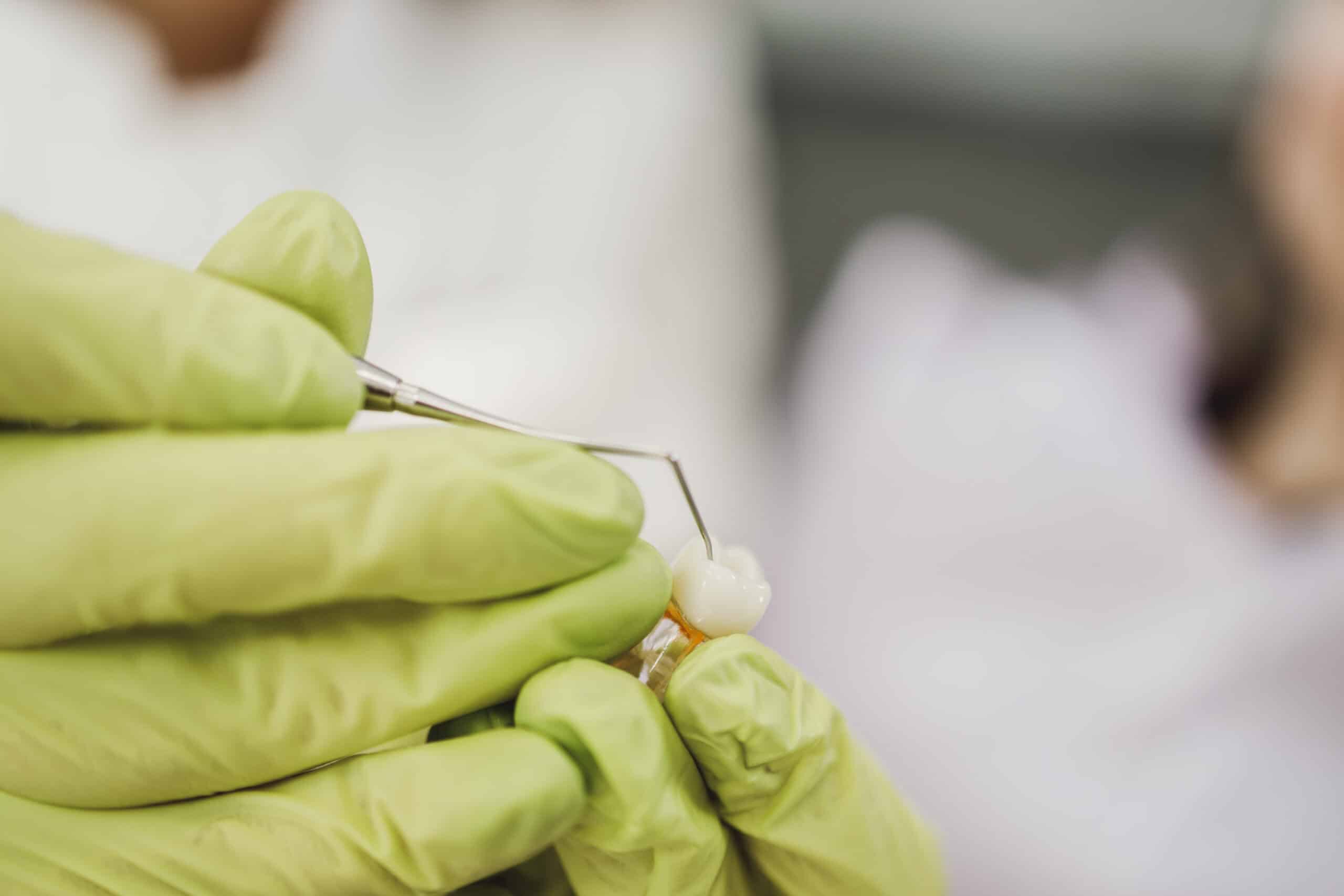
Complete Tooth Coverage: Dental crowns are caps that cover the entire visible portion of a tooth, encasing it completely from the chewing surface down to the gum line.
How They’re Made:
- Custom fabricated: Made specifically for your tooth
- Various materials: Porcelain, ceramic, metal, or combinations
- Substantial thickness: Typically 2mm all around tooth
- Durable structure: Designed to restore full function
Coverage Area:
- 360-degree coverage: Completely surrounds tooth
- All surfaces: Chewing surface, sides, front, and back
- Gum line to top: Comprehensive coverage
Primary Purpose: Crowns are restorative, designed to strengthen, protect, and restore damaged teeth while also improving appearance.
The Crown Process
How You Get Crowns: The crown procedure is more involved than veneers.
Step 1: Evaluation and Planning:
- Comprehensive examination: Assess tooth damage
- X-rays: Evaluate tooth root and bone
- Treatment planning: Determine best approach
- Discuss options: Material choices and expectations
Step 2: Tooth Preparation:
- Substantial reshaping: Remove damaged structure and decay
- All surfaces: Prepare entire tooth circumference
- Anesthesia: Local anesthesia used
- Precise measurements: Ensure proper crown fit
- Impressions: Detailed molds of prepared tooth
Step 3: Temporary Crown:
- Immediate coverage: Protects prepared tooth
- Acrylic or resin: Temporary material
- Functional: Can eat carefully with it
- Wear during fabrication: Usually 1-2 weeks
Step 4: Permanent Crown Creation:
- Laboratory fabrication: Custom crown made
- Material selection: Based on location and needs
- Color matching: To surrounding teeth
- Quality control: Ensuring perfect fit
Step 5: Crown Placement:
- Remove temporary: Clean tooth thoroughly
- Test fit: Ensure proper fit and bite
- Adjustments: Fine-tune as needed
- Permanent cement: Strong adhesive bonds crown
- Final polish: Smooth and natural finish
Timeline: Traditional crowns require 2 appointments over 2-3 weeks. Some dentists offer same-day crowns with special technology.
When Crowns Are Ideal
Best Situations for Crowns:
Structural Problems:
- Severely damaged teeth: Large portions broken or decayed
- After root canal: Tooth needs protection
- Large fillings: When most of tooth is filling
- Cracked teeth: Holding tooth together
- Weakened teeth: At risk of breaking
- Fractured cusps: Broken tooth points
Functional Restoration:
- Restoring chewing ability: Full strength needed
- Protecting weak teeth: Preventing further damage
- Bite correction: Adjusting tooth height
- Dental bridge anchor: Supporting bridges
- Implant coverage: Crown on implant post
When Structure Is Compromised: If more than 50% of tooth structure is damaged, filling, or missing, crown is typically better choice than veneer.
Direct Comparison: Veneers vs Crowns
Let’s compare these options across key factors that matter to patients.
Coverage and Structure
Veneers:
- Front surface only: Like a false fingernail on tooth front
- Thin shell: 0.5-0.7mm thickness
- Minimal tooth removal: Preserves most natural tooth
- One surface: Just the visible front
Crowns:
- Complete coverage: Surrounds entire tooth
- Substantial thickness: 2mm all around
- Significant reshaping: More tooth structure removed
- All surfaces: 360-degree protection
Winner Depends On: If tooth is healthy and concern is cosmetic, veneers preserve more natural tooth. If tooth needs structural support, crown’s complete coverage is necessary.
Durability and Strength
Veneers:
- Good durability: Porcelain veneers very strong
- Vulnerable to force: Can chip or break with heavy force
- Not for heavy biting: Best for front teeth with lighter forces
- Typical lifespan: 10-15 years with good care
- Fragility factor: More vulnerable than crowns
Crowns:
- Excellent strength: Designed to withstand chewing forces
- Complete support: Strengthens entire tooth
- Heavy-duty: Suitable for back teeth and heavy chewing
- Typical lifespan: 15-20+ years with good care
- Robust: More resistant to damage
Winner for Strength: Crowns are significantly stronger and better for teeth that experience heavy bite forces.
Tooth Preservation
Veneers:
- Minimal removal: Only 0.5-0.7mm of enamel removed
- Mostly reversible: Though not completely
- Preserves structure: Most natural tooth remains
- Conservative: Less invasive procedure
Crowns:
- Substantial removal: 1.5-2mm all around tooth
- Irreversible: Tooth permanently altered
- More invasive: Significant reshaping required
- Necessary reduction: For proper crown fit
Winner for Conservation: Veneers preserve much more natural tooth structure, making them more conservative when appropriate.
Aesthetic Results
Veneers:
- Exceptional aesthetics: Primarily designed for beauty
- Highly customizable: Precise control over appearance
- Natural translucency: Porcelain mimics enamel beautifully
- Perfect for smile zones: Front teeth transformation
- Minimal margin visibility: Thin edge blends well
Crowns:
- Excellent appearance: Modern crowns very natural-looking
- Visible margins possible: Sometimes gum line shows crown edge
- Material dependent: Porcelain crowns more aesthetic than metal
- Function first: Beauty is important but secondary to strength
- Back teeth considerations: Aesthetic materials less critical
Winner for Appearance: For front teeth, veneers often provide superior aesthetic results. Crowns can look excellent but are optimized for function.
Procedure Invasiveness
Veneers:
- Minimal discomfort: Often no anesthesia needed
- Quick preparation: Less time in chair
- Gentle procedure: Conservative approach
- Lower anxiety: Less intimidating for patients
Crowns:
- Anesthesia required: Numbness necessary
- Longer appointments: More extensive work
- More invasive: Significant tooth preparation
- Temporary phase: Living with temporary crown
Winner for Comfort: Veneers involve a less invasive, more comfortable procedure for most patients.
Versatility and Applications
Veneers:
- Primarily cosmetic: Best for appearance issues
- Front teeth focus: Mainly for visible teeth
- Limited applications: Not suitable for damaged teeth
- Healthy teeth required: Tooth must be sound
Crowns:
- Multiple purposes: Cosmetic and restorative
- Any tooth: Front or back teeth
- Broad applications: Fix many different problems
- Works on damaged teeth: Restores compromised teeth
Winner for Versatility: Crowns address a much wider range of dental problems and work anywhere in the mouth.
Longevity and Maintenance
Veneers:
- 10-15 year average: Good lifespan with care
- Some last 20+ years: Exceptional cases
- Careful maintenance: Avoid excessive force
- Regular checkups: Professional monitoring important
- Potential for chips: Require caution with hard foods
Crowns:
- 15-20 year average: Excellent longevity
- Often last 25+ years: Many endure decades
- Robust: Better withstand daily forces
- Regular maintenance: Professional care needed
- More forgiving: Handle daily wear better
Winner for Longevity: Crowns typically last longer, especially when subjected to normal chewing forces.
H3: Cost Considerations
Veneers:
- Per tooth investment: Significant initial expense
- Material affects price: Porcelain more than composite
- Usually cosmetic: Often not covered by insurance
- Multiple tooth cost: Full smile makeover is substantial
- Long-term value: Decades of beautiful smile
Crowns:
- Per tooth investment: Similar or slightly higher than veneers
- Material variations: Porcelain, gold, combinations vary in price
- Sometimes covered: Insurance may pay portion for damaged teeth
- Necessary treatment: Often medically needed
- Long-term value: Durability offsets cost
Cost Comparison: Costs are comparable, with both being significant investments. Insurance more likely to cover crowns when medically necessary.
Choosing Between Veneers and Crowns
How do you decide which is right for you?
When Veneers Are the Better Choice
Choose Veneers If:
Your Situation:
- Teeth are healthy: No significant damage or decay
- Cosmetic goals: Wanting to improve appearance
- Front teeth focus: Primarily concerned with smile zone
- Minor imperfections: Chips, gaps, staining, minor misalignment
- Tooth preservation: Want to keep natural tooth structure
- Strong enamel: Adequate enamel for bonding
Your Priorities:
- Minimal invasiveness: Prefer conservative treatment
- Aesthetic perfection: Appearance is primary goal
- Natural tooth preservation: Want to keep as much natural tooth as possible
- Smile transformation: Complete smile makeover
Examples:
- Stained teeth that don’t respond to whitening
- Small chips on front teeth
- Closing gaps between front teeth
- Slightly crooked teeth (minor alignment)
- Worn front teeth (with nightguard protection)
- Creating uniform, beautiful smile
When Crowns Are the Better Choice
Choose Crowns If:
Your Situation:
- Significant damage: Large portions of tooth broken, decayed, or filled
- After root canal: Tooth needs protection
- Structural weakness: Tooth at risk of breaking
- Heavy bite forces: Back teeth requiring strength
- Existing large fillings: More filling than natural tooth
- Functional problems: Need to restore chewing ability
Your Priorities:
- Durability: Need maximum strength
- Long-term solution: Want longest-lasting option
- Functional restoration: Restoring ability to chew
- Comprehensive protection: Entire tooth needs coverage
- Preventing tooth loss: Saving compromised tooth
Examples:
- Tooth with large filling that fractured
- Tooth after root canal treatment
- Severely cracked tooth
- Broken cusp on molar
- Extensive decay that’s been removed
- Dental bridge abutment
- Crown for dental implant
Can You Have Both?
Combination Treatments: Sometimes the best solution involves both veneers and crowns.
Common Scenarios:
Mixed Dental Needs:
- Front tooth damage: Crown on damaged tooth
- Adjacent cosmetic concerns: Veneers on neighboring teeth
- Color matching: Ensure uniform appearance
- Comprehensive smile design: Using best solution for each tooth
Smile Makeover:
- Crowns on compromised teeth: Where needed for strength
- Veneers on healthy teeth: For cosmetic perfection
- Seamless appearance: All restorations color-matched
- Optimal results: Right solution for each situation
Your dentist in Suwanee, GA can create comprehensive treatment plans using both options where appropriate.
Monitoring for Problems
Regular self-examination helps catch issues early.
What to Watch For
Warning Signs:
Changes in Fit or Feel:
- Looseness: Crown or veneer feels mobile
- Rough edges: New rough spots developing
- Different bite: Restoration feels high or awkward
- Clicking sounds: When biting or chewing
Visual Changes:
- Dark lines at gum line: Could indicate recession or decay
- Chips or cracks: Any visible damage
- Color changes: Restoration or surrounding tooth discoloring
- Gum changes: Redness, swelling around restoration
Sensitivity:
- New sensitivity: To hot, cold, or sweet
- Persistent sensitivity: That doesn’t resolve
- Pain when biting: Could indicate problem
- Spontaneous pain: Unprovoked discomfort
Functional Problems:
- Difficulty chewing: On restoration
- Food trapping: New spaces where food catches
- Floss shredding: Regularly catching or fraying
- Bad taste: Persistent unusual taste from area
Monthly Self-Examination
Home Inspection: Check your restorations monthly for changes.
Visual Inspection:
- Good lighting: Use bright bathroom light
- Dental mirror: See all surfaces
- Check margins: Where restoration meets tooth
- Compare: To previous appearance
- Note changes: Document anything new
Feel Testing:
- Tongue test: Run tongue over all surfaces
- Gentle finger pressure: Check for movement (don’t force)
- Bite test: Note any changes in how teeth meet
Keep Records:
- Photos: Monthly photos track changes over time
- Notes: Record any concerns
- Questions for dentist: List items to discuss at checkup
When to Call Your Dentist
Don’t Wait for Regular Checkup: Some situations require immediate attention.
Call Immediately If:
- Crown or veneer falls off: Don’t try to recement yourself
- Chip or crack: Even small damage should be evaluated
- Persistent pain: Especially when biting
- Swelling: Around restoration site
- Loose restoration: Any mobility
- Sharp edges: Cutting tongue or cheek
- Bad taste or smell: From restoration area
- Visible decay: Darkening around margins
Schedule Soon If:
- Increased sensitivity: That persists more than few days
- Gum bleeding: Around restoration
- Minor chips: Small but noticeable damage
- Staining concerns: Significant discoloration
- Fit changes: Not quite right but not emergency
Your dentist in Suwanee, GA prefers to see problems early when they’re easier and less expensive to fix.
Special Considerations
Different types of restorations have unique care needs.
Caring for Multiple Veneers
Full Smile Makeovers: If you have veneers on multiple teeth, extra care is important.
Consistency:
- Same care on all: Don’t favor certain teeth
- Balanced chewing: Distribute forces evenly
- Comprehensive cleaning: Thorough attention to all veneered teeth
- Unified approach: Treat whole smile as system
Front Teeth Veneers:
- No biting hard foods: Use back teeth for biting
- Cut food first: Don’t bite directly into anything hard
- Extra careful: Front veneers most visible and vulnerable
- Avoid direct force: No biting into apples, corn on cob, etc.
Bridge Care
Bridges Require Special Attention: If your crown is part of a bridge, cleaning is more complex.
Cleaning Under Pontics:
- Floss threaders: Essential tool
- Water flosser: Highly effective
- Interdental brushes: For larger spaces
- Proxabrush: Designed for bridge cleaning
Daily Bridge Cleaning:
- Thread floss under: Using floss threader
- Pull through: Draw floss under pontic
- Clean thoroughly: All surfaces under false tooth
- Both sides: Don’t skip either end
Extra Diligence Needed: Bridges trap food and plaque in areas you can’t see, making thorough daily cleaning crucial.
Implant-Supported Crowns
Special Care for Implant Restorations: Crowns on dental implants need specific attention.
Unique Concerns:
- Peri-implantitis: Gum disease around implants
- Bone loss risk: Poor hygiene threatens implant
- No natural protection: Implants don’t have natural defenses teeth have
Specialized Cleaning:
- Non-metal tools: Use plastic or nylon floss/tools
- Water flosser: Especially effective for implants
- Implant floss: Specially designed floss
- Regular monitoring: Professional cleanings crucial
Professional Maintenance: Implant crowns require regular professional maintenance to ensure long-term success.
Longevity and Replacement
Understanding realistic lifespan helps with planning.
Expected Lifespan
How Long They Last: With proper care, restorations can last many years.
Typical Longevity:
Porcelain Veneers:
- 10-15 years average: With excellent care
- Some last 20+ years: Exceptional cases
- Factors affecting: Care quality, bite forces, habits
Dental Crowns:
- 15-20 years average: Well-maintained crowns
- Many last longer: 25+ years possible
- Material dependent: Gold crowns often last longest
Composite Veneers:
- 5-7 years average: More vulnerable to staining and wear
- Less durable: Than porcelain
- More affordable: Trade-off for longevity
Factors Affecting Lifespan:
- Quality of oral hygiene
- Grinding or clenching habits
- Diet and lifestyle choices
- Material quality
- Original placement technique
- Regular professional maintenance
- Trauma or accidents
Signs Replacement Is Needed
When Restorations Need Replacement: Even well-cared-for restorations eventually wear out.
Replacement Indicators:
Structural Failure:
- Cracks: Compromising integrity
- Large chips: Affecting function or appearance
- Complete break: Crown or veneer fractured
- Loose restoration: Can’t be re-cemented securely
Underlying Tooth Problems:
- Decay: At restoration margins
- Tooth fracture: Under the restoration
- Root canal needed: For crowned tooth
- Bone loss: Affecting restoration support
Aesthetic Issues:
- Severe staining: That can’t be cleaned
- Gum recession: Exposing restoration margin
- Color mismatch: With adjacent teeth
- Wear: Making restoration look old
Functional Problems:
- Chronic discomfort: That can’t be resolved
- Fit issues: That adjustment can’t fix
- Bite problems: Affecting function
Maximizing Lifespan
Getting Most from Your Investment:
Daily Commitment:
- Never skip brushing: Twice daily minimum
- Floss religiously: Once daily without exception
- Gentle technique: Protect restoration surfaces
- Regular rinsing: Mouthwash and water
Professional Partnership:
- Keep all appointments: Six-month checkups minimum
- Address problems early: Don’t ignore minor issues
- Follow recommendations: Your dentist’s guidance
- Professional cleaning: Regular hygiene appointments
Lifestyle Choices:
- Don’t smoke: Single biggest factor you control
- Protective gear: Nightguard and sports guard
- Careful diet: Avoid damaging foods and habits
- Stress management: Reduces grinding and clenching
Investment Protection: Think of restoration care as protecting a valuable investment. Minutes daily of proper care prevent thousands in replacement costs.
Common Mistakes to Avoid
Understanding what not to do is as important as knowing proper care.
H3: Care Mistakes
Don’t Do These:
Abrasive Products:
- Whitening toothpaste daily: Too harsh for regular use
- Baking soda scrubbing: Overly abrasive
- Harsh cleaners: Household products
- Rough cloths or tools: Scratch surfaces
Poor Technique:
- Aggressive brushing: Damages restorations and gums
- Skipping flossing: Leads to decay and gum disease
- Horizontal flossing on crowns: Can dislodge
- Neglecting margins: Where most problems start
Bad Habits:
- Using teeth as tools: Opens packages, holds objects
- Nail biting: Excessive force on front teeth
- Ice chewing: Extremely damaging
- Pen chewing: Constant pressure damages restorations
DIY Disasters
Never Attempt These:
Self-Repair:
- Super glue: Toxic, won’t work properly, damages tooth
- Temporary cement from store: Not appropriate for permanent use
- Filing or grinding: You’ll damage restoration and tooth
Home Whitening Overuse:
- Won’t whiten restorations: But can damage them
- Creates color mismatch: Natural teeth whiten, restorations don’t
- Gum irritation: Around restoration margins
Ignoring Problems:
- Hoping it resolves: Dental problems worsen with time
- Living with discomfort: Usually indicates problem needing attention
- Postponing appointments: Early intervention is easier and cheaper
Your Care Partner
At B-You Dentistry, we support your restoration longevity.
Comprehensive Support
We Provide:
Detailed Instructions:
- Personalized care plan: Specific to your restorations
- Demonstration: Proper cleaning technique
- Product recommendations: Best tools for your needs
- Ongoing guidance: Always available for questions
Regular Monitoring:
- Professional examinations: At each visit
- X-rays when needed: Check underlying structures
- Early problem detection: Catch issues when small
- Preventive adjustments: Before problems develop
Schedule Your Checkup
Regular Visits Essential:
Six-Month Appointments:
- Comprehensive examination: All restorations checked
- Professional cleaning: Remove buildup, polish restorations
- Early problem detection: Address issues immediately
- Care guidance: Ongoing education and support
Never Skip: Regular dental visits are your best insurance for restoration longevity.
Contact B-You Dentistry
Expert Restoration Care:
- Call: +1 470-866-5801 with care questions
- Location: 5355 Laurel Springs Pkwy, Suwanee, GA 30024
- Schedule: Regular maintenance appointments
- Serving: Suwanee, Johns Creek, Duluth, Sugar Hill, Buford, and surrounding communities
Your crowns and veneers are valuable investments in your smile and oral health. Proper daily care, protective measures, and regular professional maintenance ensure they serve you beautifully for many years. If you have any questions about caring for your restorations or need a professional evaluation, contact your trusted dentist in Suwanee, GA at B-You Dentistry today. We’re committed to helping you protect and maintain your beautiful smile!
Your Restoration Partner
At B-You Dentistry, we guide you to the right choice.
Comprehensive Evaluation
We Provide:
Thorough Assessment:
- Complete oral examination
- Digital imaging and x-rays
- Tooth condition evaluation
- Bite and function analysis
- Aesthetic evaluation
Personalized Recommendations:
- Based on your specific needs
- Considering all factors
- Presenting all options
- Explaining pros and cons
- Answering all questions
No Pressure Approach: We believe in informed decisions. Our role is to provide information and guidance, not pressure.
Advanced Technology
Modern Solutions:
Digital Planning:
- Smile preview: See potential results before treatment
- Precise planning: Computer-aided design
- Accurate predictions: Know what to expect
Same-Day Options:
- CEREC technology: Some crowns in single visit
- Immediate results: No waiting for lab
- Fewer appointments: Convenient solution
Quality Materials:
- Premium porcelain: Natural appearance
- Durable ceramics: Long-lasting strength
- Custom shading: Perfect color match
Contact B-You Dentistry
Expert Guidance:
- Call: +1 470-866-5801 to schedule consultation
- Location: 5355 Laurel Springs Pkwy, Suwanee, GA 30024
- Comprehensive evaluation: Determine best option for you
- Serving: Suwanee, Johns Creek, Duluth, Sugar Hill, Buford, and surrounding communities
Understanding the differences between veneers and crowns empowers you to make the right decision for your smile and oral health. Whether you need cosmetic enhancement, functional restoration, or both, choosing the appropriate treatment ensures optimal results and long-term success. If you’re considering veneers or crowns, contact your trusted dentist in Suwanee, GA at B-You Dentistry today for a comprehensive evaluation. We’ll help you understand your options and choose the solution that best fits your needs, goals, and budget!